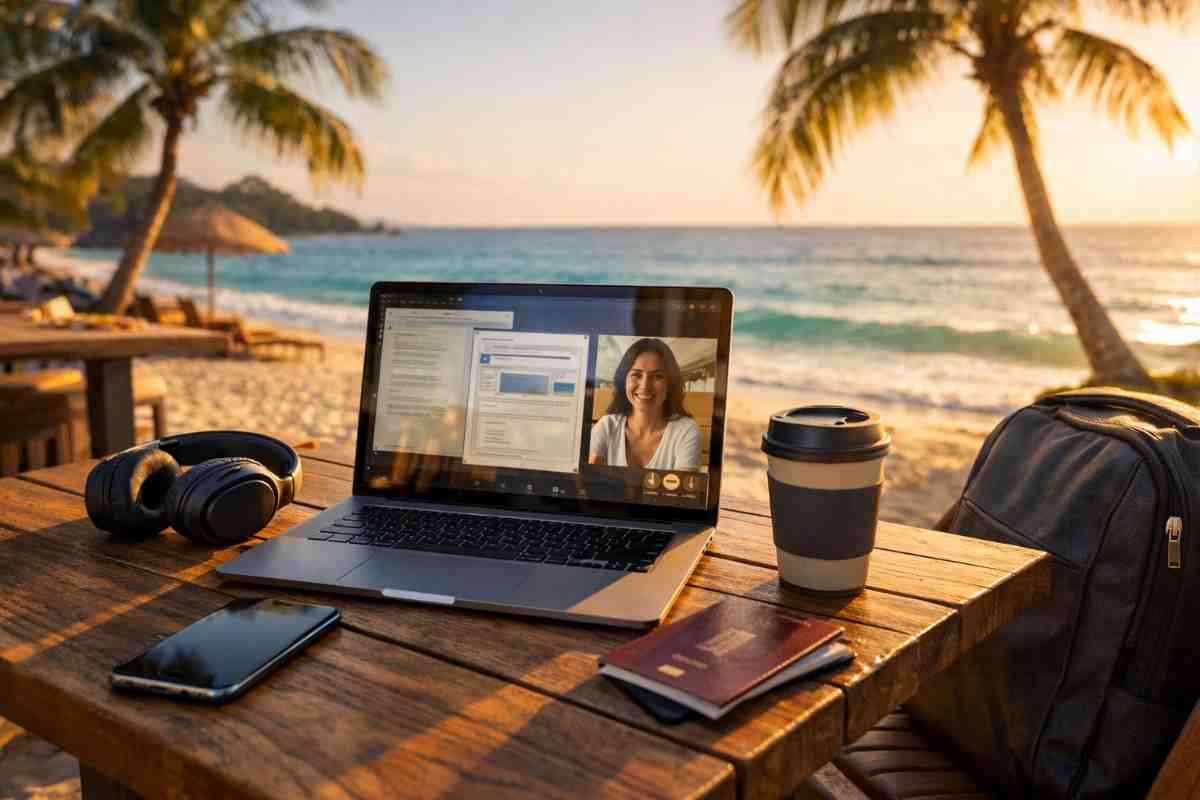
The digital nomad lifestyle represents a fundamental shift in how we conceptualize work and life. Enabled by technology and changing workplace norms, more professionals are choosing to combine career success with global exploration, working remotely from anywhere with an internet connection. This lifestyle offers unprecedented freedom but requires careful planning, the right tools, and a mindset shift toward location independence.
The Digital Nomad Revolution
Digital nomadism has evolved from a niche lifestyle to a mainstream career choice, accelerated by remote work adoption and improved global connectivity. Today's digital nomads include software developers, writers, consultants, designers, marketers, and professionals across virtually every industry. What unites them is the ability to perform their work from anywhere, combined with the desire to explore the world while building their careers.
This lifestyle offers unique advantages: exposure to diverse cultures, lower living costs in many destinations, flexible schedules, and the opportunity to design a life that integrates work and adventure. However, it also presents challenges: maintaining productivity while traveling, managing time zones, ensuring reliable internet, and building community in transient environments.
Essential Tools and Technology
Hardware Essentials
Your technology setup is the foundation of successful digital nomadism. Invest in a reliable laptop with long battery life, sufficient processing power for your work, and durability for travel. A portable external monitor can dramatically improve productivity. Noise-canceling headphones are essential for working in cafes, co-working spaces, or shared accommodations. A portable Wi-Fi hotspot provides backup internet when local connections fail.
Software and Applications
Cloud-based tools enable seamless work from anywhere. Use project management platforms like Asana or Trello, communication tools like Slack or Microsoft Teams, and cloud storage like Google Drive or Dropbox. VPN services protect your data on public networks and may provide access to region-restricted content. Time zone converters and scheduling tools help coordinate with clients and teams across the globe.
Backup and Security
Implement robust backup systems: automatic cloud backups, external hard drives, and redundant storage solutions. Use password managers, enable two-factor authentication everywhere, and encrypt sensitive data. Regular software updates and antivirus protection are non-negotiable when working on public networks.
Choosing Your Destinations
Digital Nomad Hubs
Certain destinations have emerged as digital nomad hotspots, offering reliable infrastructure, affordable living, vibrant communities, and favorable visa policies. Cities like Lisbon, Medellín, Chiang Mai, and Tbilisi combine excellent internet, low costs, and welcoming environments. However, don't limit yourself to established hubs—many lesser-known destinations offer equally compelling experiences with fewer crowds.
Key Considerations
Evaluate destinations based on internet reliability, cost of living, time zone alignment with clients, safety, healthcare access, and visa requirements. Research digital nomad communities, co-working spaces, and expat networks. Consider climate, language barriers, and cultural fit. What works for one nomad may not work for another—choose destinations that align with your work requirements and personal preferences.
Productivity and Work-Life Balance
Creating Structure
Without the structure of a traditional office, digital nomads must create their own routines. Establish consistent work hours, even if they shift with time zones. Designate work spaces—whether co-working spaces, cafes, or dedicated areas in accommodations. Set boundaries between work and exploration time, ensuring you maintain productivity while enjoying your location.
Time Management
Effective time management becomes critical when balancing work with travel. Use time-blocking techniques, prioritize high-value tasks, and batch similar activities. Learn to say no to opportunities that don't align with your goals. Remember that being location-independent doesn't mean working less—it means working smarter.
Avoiding Burnout
The constant novelty of new destinations can be exhausting. Schedule downtime, maintain routines that ground you, and don't feel pressured to constantly explore. Sometimes the best part of being a digital nomad is having the freedom to stay in and rest. Balance adventure with stability.
Financial Management
Digital nomadism requires careful financial planning. Maintain emergency funds for unexpected expenses, healthcare, or travel disruptions. Understand tax obligations in your home country and countries where you work. Consider international health insurance, banking solutions that work globally, and currency exchange strategies. Track expenses meticulously, as costs can vary dramatically between destinations.
Build multiple income streams to reduce risk. Diversify clients, maintain relationships with long-term partners, and continuously develop skills that remain in demand. The security of traditional employment is replaced by the security of marketable skills and strong professional networks.
Building Community and Connections
One of the biggest challenges of digital nomadism is maintaining social connections. Actively seek community through co-working spaces, digital nomad meetups, online forums, and social media groups. Many nomads form lasting friendships and professional relationships while traveling. However, be prepared for the transient nature of these connections and invest in maintaining relationships with family and friends back home.
Legal and Practical Considerations
Visa Requirements
Research visa requirements carefully. Many countries offer digital nomad visas with specific requirements and limitations. Tourist visas often prohibit work, even remote work. Understand the legal implications of working in different countries and comply with local regulations. Consult with immigration lawyers when necessary.
Healthcare and Insurance
Comprehensive international health insurance is essential. Research healthcare quality in destinations and have plans for emergencies. Maintain regular health checkups and carry necessary medications. Understand how to access healthcare in different countries and languages.
Making the Transition
Transitioning to digital nomadism requires preparation. Test remote work capabilities with your current employer or clients. Start with shorter trips to build confidence. Reduce possessions, establish remote income streams, and build emergency funds. Most importantly, develop the skills and mindset needed for location-independent work.
Not everyone thrives as a digital nomad, and that's okay. Some people prefer the stability of a home base with occasional travel. Others find that after initial exploration, they want to settle in a new location. The beauty of this lifestyle is its flexibility—you can adapt it to your needs and preferences.
Conclusion: Designing Your Location-Independent Life
Digital nomadism offers an extraordinary opportunity to combine career success with global exploration, but it requires careful planning, the right tools, and a commitment to maintaining both professional excellence and personal well-being. Success as a digital nomad comes from balancing adventure with stability, flexibility with structure, and exploration with productivity.
Whether you're considering your first remote work trip or are a seasoned nomad, remember that this lifestyle is about creating a life that aligns with your values and goals. Start where you are, build the necessary foundations, and take the first step toward location independence. The world is waiting, and with the right preparation, you can work from anywhere while building the career and life you envision.