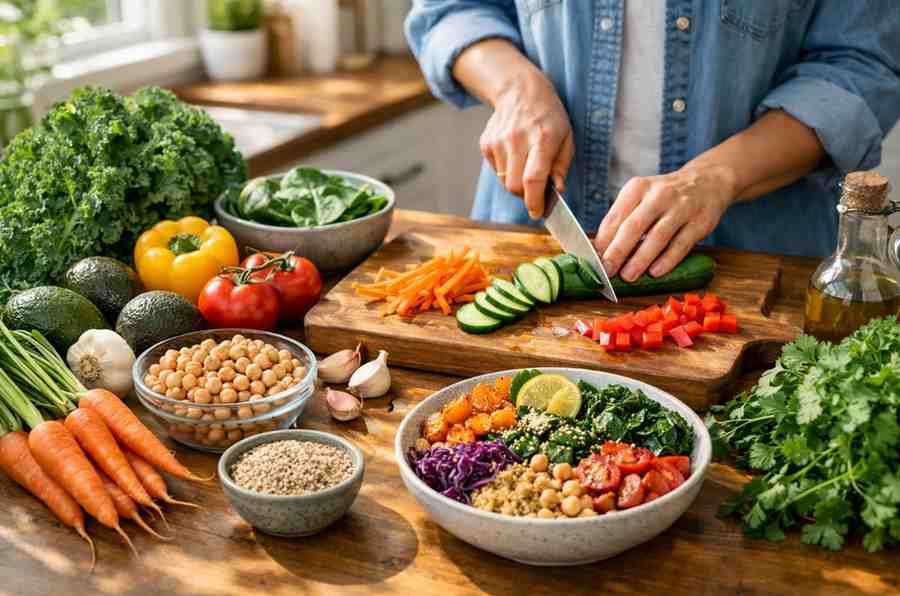
The shift toward plant-based eating represents more than a dietary trend—it's a fundamental transformation in how we approach food, health, and sustainability. Embracing whole plant foods doesn't mean deprivation or bland meals; instead, it opens up a vibrant world of flavors, textures, and nutritional benefits that can revitalize your relationship with cooking and eating.
The Foundation: Understanding Whole Plant Foods
Whole plant foods are foods that come from plants and remain as close to their natural state as possible—minimally processed, free from artificial additives, and rich in their original nutrients. This includes vegetables, fruits, whole grains, legumes, nuts, and seeds. Unlike processed foods, whole plant foods provide a complete package of fiber, vitamins, minerals, antioxidants, and phytonutrients that work synergistically to support optimal health.
The beauty of whole plant foods lies in their diversity. From the creamy richness of avocados to the hearty satisfaction of lentils, from the sweet complexity of roasted root vegetables to the crisp freshness of leafy greens, plant-based ingredients offer an astonishing range of flavors and textures that can satisfy every palate and craving.
Nutritional Advantages: Why Plants Pack a Punch
Plant-based diets, when well-planned, provide all essential nutrients while offering unique health benefits. Plant foods are naturally low in saturated fat and cholesterol, high in fiber, and rich in antioxidants that combat inflammation and oxidative stress. Studies consistently show that diets rich in whole plant foods are associated with lower risks of heart disease, type 2 diabetes, certain cancers, and obesity.
Fiber, abundant in plant foods, plays a crucial role in digestive health, blood sugar regulation, and satiety. Unlike animal products, plant foods contain no dietary cholesterol and minimal saturated fat, while providing complex carbohydrates that serve as the body's preferred energy source. The protein found in legumes, whole grains, and certain vegetables, when combined thoughtfully, provides all essential amino acids needed for optimal health.
Building Your Plant-Based Pantry
Essential Staples
Transforming your kitchen begins with stocking the right ingredients. Build your foundation with whole grains like quinoa, brown rice, oats, and farro. Stock up on legumes—lentils, chickpeas, black beans, and kidney beans—which serve as versatile protein sources. Keep a variety of nuts and seeds for healthy fats and added texture: almonds, walnuts, chia seeds, and flax seeds are excellent choices.
Flavor Enhancers
Plant-based cooking excels when you master flavor-building techniques. Nutritional yeast adds umami depth, while miso paste, tamari, and coconut aminos provide savory complexity. Fresh and dried herbs, spices, and aromatics like garlic, ginger, and onions form the backbone of flavorful plant-based meals. Don't forget healthy fats: extra-virgin olive oil, avocado oil, and tahini add richness and help absorb fat-soluble vitamins.
Fresh Produce Rotation
Keep your refrigerator stocked with a rainbow of fresh vegetables and fruits. Aim for seasonal, local produce when possible, as it offers peak flavor and nutrition. Leafy greens, cruciferous vegetables, colorful peppers, root vegetables, and fresh herbs should form the core of your weekly shopping. Rotate your selection to ensure variety and prevent food waste.
Mastering Plant-Based Cooking Techniques
Successful plant-based cooking relies on techniques that maximize flavor and texture. Roasting vegetables at high heat caramelizes their natural sugars, creating depth and complexity. Sautéing with aromatics builds flavor layers, while steaming preserves nutrients and bright colors. Blending creates creamy textures without dairy, and marinating tenderizes and infuses plant proteins with flavor.
Understanding how to combine ingredients is key. Pairing grains with legumes creates complete proteins. Combining different textures—creamy, crunchy, chewy—makes meals more satisfying. Balancing flavors—sweet, sour, salty, bitter, umami—ensures every dish is well-rounded and delicious.
Meal Planning: Making Plant-Based Eating Effortless
Effective meal planning eliminates the stress of daily decision-making and ensures you always have nutritious options available. Start by planning three to four meals per week, preparing larger batches that provide leftovers. Prep components—cooked grains, roasted vegetables, prepped greens—that can be mixed and matched throughout the week.
Build a repertoire of go-to recipes that you genuinely enjoy. Having five to ten reliable plant-based meals in your rotation makes weekday cooking manageable. Batch cooking on weekends—preparing grains, beans, and roasted vegetables—sets you up for quick, healthy meals during busy weekdays.
Addressing Common Concerns
Protein Adequacy
One of the most common concerns about plant-based eating is protein intake. The reality is that most people easily meet protein needs on a well-planned plant-based diet. Legumes, whole grains, nuts, seeds, and even vegetables contribute protein. By eating a variety of plant foods throughout the day, you naturally consume adequate protein without needing to track every gram.
Nutrient Considerations
While plant-based diets are rich in most nutrients, attention to vitamin B12, vitamin D, and omega-3 fatty acids is important. B12 supplementation is recommended for those following strict plant-based diets, as this vitamin is primarily found in animal products. Vitamin D levels should be monitored, especially in northern climates, and omega-3s can be obtained from flax seeds, chia seeds, walnuts, and algae-based supplements.
Conclusion: A Journey of Discovery
Embracing plant-based cooking is not about perfection or restriction—it's about exploration, discovery, and finding joy in the incredible variety that plant foods offer. Start where you are, make gradual changes, and celebrate each new recipe or ingredient you discover. Whether you're fully plant-based or simply incorporating more whole plant foods into your diet, you're taking meaningful steps toward better health, environmental sustainability, and culinary adventure.
Your kitchen transformation begins with a single meal. Choose one plant-based recipe that excites you, gather the ingredients, and experience firsthand how whole plant foods can create meals that are both nourishing and deeply satisfying.