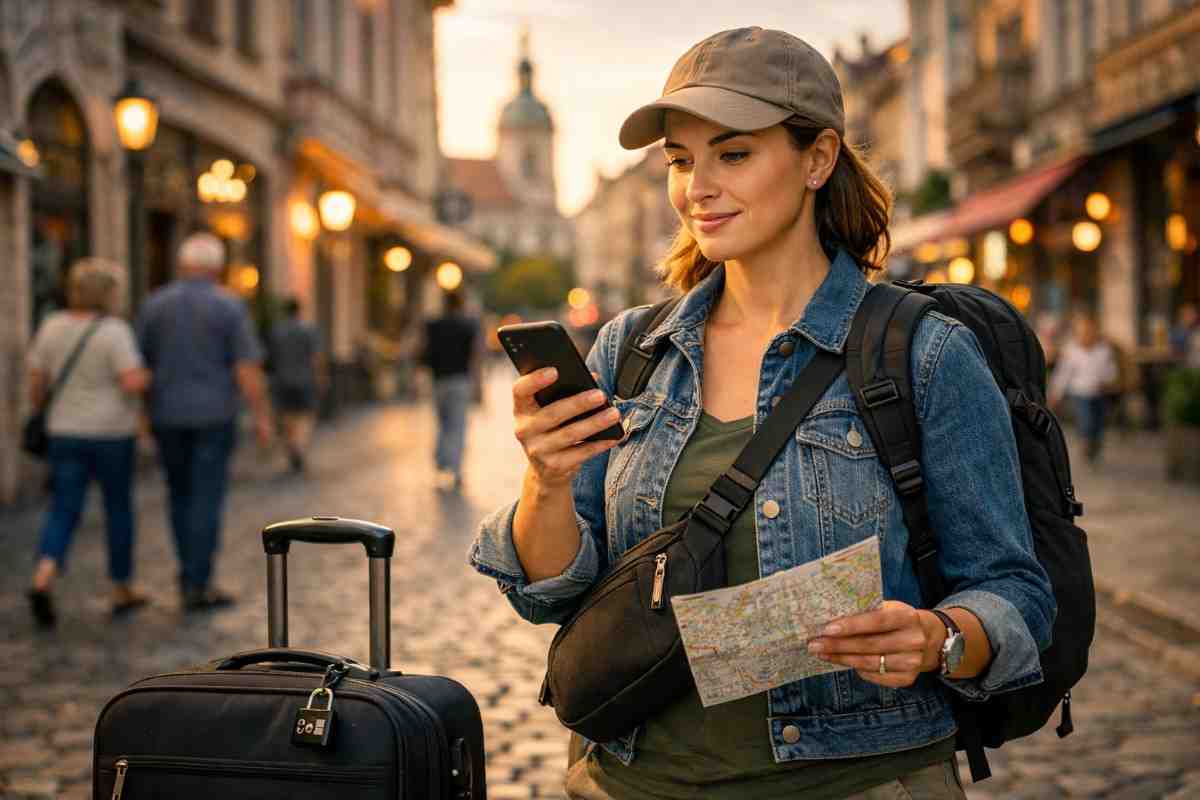
Solo travel represents one of life's most transformative experiences—an opportunity for self-discovery, independence, and adventure that pushes boundaries and builds confidence. However, traveling alone also requires careful preparation, situational awareness, and practical safety strategies. Mastering solo travel means balancing the freedom to explore with the wisdom to stay safe, creating experiences that are both exhilarating and secure.
The Power of Solo Travel
Solo travel offers unique advantages that group travel cannot match. You have complete freedom to follow your interests, change plans spontaneously, and move at your own pace. Without the need to coordinate with others, you can dive deeper into experiences, meet locals more easily, and make decisions based solely on your preferences. This independence builds confidence, problem-solving skills, and self-reliance that extend far beyond travel.
Many solo travelers report that their journeys become periods of significant personal growth. The challenges of navigating unfamiliar places alone, making decisions independently, and relying on your own judgment build resilience and self-trust. You learn to trust your instincts, adapt to unexpected situations, and discover capabilities you didn't know you possessed.
Pre-Trip Preparation: Building Your Foundation
Research and Planning
Thorough research is your first line of defense. Learn about your destination's safety situation, cultural norms, common scams, and areas to avoid. Read recent travel advisories, check crime statistics, and join online forums for current information. Understand local customs, dress codes, and appropriate behavior to avoid drawing unwanted attention.
Documentation and Communication
Create digital and physical copies of important documents: passport, visas, insurance, emergency contacts, and itinerary. Share your travel plans with trusted family or friends, including accommodation details and expected check-in times. Set up regular communication check-ins so someone always knows your general location and status.
Emergency Preparedness
Program emergency numbers into your phone: local police, embassy or consulate, and emergency services. Research healthcare facilities near your accommodations. Carry a basic first-aid kit and know how to access medical care. Understand your travel insurance coverage and keep policy information accessible.
Safety Strategies While Traveling
Accommodation Selection
Choose accommodations in safe, well-lit areas with good reviews from other solo travelers. Read recent reviews focusing on safety, location, and staff responsiveness. Consider accommodations with 24-hour reception, secure locks, and good lighting. Trust your instincts—if a place feels unsafe, find alternative accommodation.
Blending In
Avoid looking like a tourist by dressing appropriately for the local culture, avoiding flashy jewelry or expensive-looking items, and carrying yourself with confidence. Study maps before leaving your accommodation so you can navigate without constantly checking your phone. Walk purposefully, even when lost—confidence deters potential threats.
Trusting Your Instincts
Your intuition is a powerful safety tool. If a situation, person, or place feels wrong, remove yourself immediately. Don't worry about seeming rude—your safety is more important than politeness. Many experienced travelers credit their instincts with avoiding dangerous situations. When in doubt, err on the side of caution.
Practical Safety Tips
Money and Valuables
Never carry all your money or cards in one place. Use a money belt or hidden pouch for backup funds and important documents. Keep daily spending money in easily accessible but secure locations. Consider using a travel card that can be quickly frozen if lost or stolen. Leave unnecessary valuables at home.
Technology Safety
Keep devices charged and carry portable chargers. Use password protection and enable tracking features. Be cautious with public Wi-Fi—use VPNs for sensitive activities. Share your location with trusted contacts through apps. Keep emergency contacts easily accessible on your phone's lock screen.
Social Situations
Be friendly but cautious when meeting new people. Avoid sharing too much personal information or travel details with strangers. Meet people in public places, especially initially. Trust your judgment about people, but maintain healthy skepticism. Remember that most people are genuinely friendly, but stay aware of your surroundings.
Building Confidence on the Road
Start Small
If you're new to solo travel, begin with shorter trips to familiar or easy destinations. Build confidence gradually before tackling more challenging locations. Each successful solo trip increases your confidence and skills for future adventures.
Embrace Challenges
View obstacles as opportunities to grow. Getting lost, dealing with language barriers, or navigating transportation systems builds problem-solving skills. Each challenge you overcome increases your confidence. Remember that mistakes are learning experiences, not failures.
Connect with Others
Solo travel doesn't mean isolation. Stay in social accommodations like hostels, join group tours or activities, use apps to meet other travelers, and participate in local events. Many solo travelers form lasting friendships on the road. Balance alone time with social connection based on your needs.
Cultural Sensitivity and Respect
Research and respect local customs, especially regarding dress, behavior, and photography. Understanding cultural norms helps you avoid inadvertently offending locals or drawing unwanted attention. This knowledge also enriches your experience by helping you connect more meaningfully with local communities.
Managing Loneliness and Challenges
Loneliness is a normal part of solo travel, especially initially. Acknowledge these feelings without judgment. Stay connected with home through regular communication, but also embrace the opportunity for solitude and reflection. Many travelers find that periods of loneliness lead to valuable self-discovery.
When challenges arise—missed connections, language barriers, cultural misunderstandings—remember that these are part of the journey. Each problem you solve independently builds confidence. Keep perspective: most travel problems are temporary and solvable.
Special Considerations
Gender-Specific Safety
Women travelers may face additional safety considerations. Research destination-specific safety information, dress codes, and cultural attitudes. Consider accommodations with good security, avoid walking alone at night in unfamiliar areas, and trust your instincts about people and situations. Many women find that solo travel is empowering and safe with proper preparation.
Nighttime Safety
Be extra cautious after dark. Plan your routes in advance, stay in well-lit areas, and avoid isolated places. Consider using transportation rather than walking long distances at night. Trust your instincts about nighttime activities and environments.
Conclusion: Embracing Solo Adventure
Solo travel mastery comes from balancing preparation with spontaneity, caution with openness, and independence with connection. It's about building the confidence to explore the world independently while maintaining the wisdom to stay safe. The skills you develop—problem-solving, self-reliance, cultural awareness, and confidence—extend far beyond travel, enriching your entire life.
Start with careful preparation, trust your instincts, and embrace both the challenges and rewards of solo travel. Each journey builds your skills and confidence, creating a foundation for increasingly adventurous experiences. The world is waiting, and with the right preparation and mindset, you can explore it safely and confidently on your own terms.