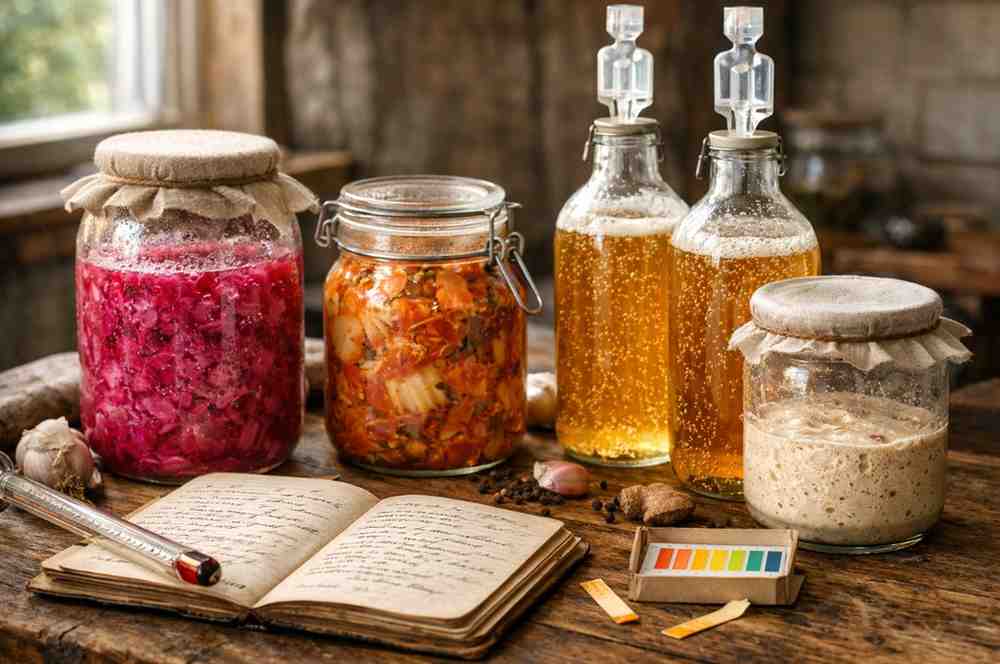
Fermentation stands as one of humanity's oldest and most transformative culinary techniques, a process that has shaped our food culture for over 10,000 years. From tangy sauerkraut to complex aged cheeses, from effervescent kombucha to rich miso paste, fermentation unlocks flavors and nutritional benefits that simply cannot be achieved through other cooking methods. This ancient practice, once born of necessity for food preservation, has evolved into an art form that connects us to our ancestors while offering modern health benefits.
The Biological Magic Behind Fermentation
At its core, fermentation is a metabolic process where microorganisms—primarily bacteria, yeasts, and molds—break down carbohydrates and other organic compounds in the absence of oxygen. This process produces alcohol, acids, or gases that preserve food and create distinctive flavors. The science is elegant: beneficial microorganisms consume sugars and starches, producing byproducts that inhibit harmful bacteria while enhancing both taste and nutritional value.
The most common types of fermentation include lactic acid fermentation (used in yogurt, sauerkraut, and kimchi), alcoholic fermentation (beer, wine, and bread), and acetic acid fermentation (vinegar production). Each process introduces unique flavor profiles and health benefits, transforming simple ingredients into complex, nuanced foods.
Nutritional Benefits: Beyond Preservation
Modern research has revealed that fermented foods offer remarkable health advantages. The fermentation process increases the bioavailability of nutrients, making vitamins and minerals more easily absorbed by our bodies. Fermented foods are rich in probiotics—beneficial bacteria that support gut health, boost immunity, and may improve mental well-being through the gut-brain axis.
Additionally, fermentation can reduce anti-nutrients like phytic acid, which can interfere with mineral absorption. The process also creates new compounds, such as B vitamins and enzymes, that weren't present in the original ingredients. For those with lactose intolerance, fermented dairy products like yogurt and kefir often become digestible as the bacteria break down lactose during fermentation.
Flavor Development: Complexity Through Time
What makes fermented foods so distinctive is their complex flavor profile, developed through the slow transformation of ingredients. Umami—the savory fifth taste—is particularly enhanced through fermentation, as proteins break down into amino acids like glutamate. This is why fermented foods like soy sauce, miso, and aged cheeses have such rich, satisfying flavors.
The time element is crucial. Unlike quick cooking methods, fermentation allows flavors to develop gradually, creating depth and complexity that cannot be rushed. A properly fermented kimchi, for instance, develops layers of tangy, spicy, and umami flavors over weeks, while a quick-pickled version offers only surface-level acidity.
Getting Started: Essential Fermentation Techniques
Lacto-Fermentation Basics
Lacto-fermentation is perhaps the most accessible entry point for home fermenters. The process requires only salt, vegetables, and time. Start with simple sauerkraut: thinly slice cabbage, massage it with salt to release water, pack it tightly in a jar, and let beneficial bacteria do their work. The key is maintaining an anaerobic environment—keeping vegetables submerged in their own brine.
Equipment Essentials
While fermentation can be done with minimal equipment, a few tools make the process more reliable. Wide-mouth glass jars, fermentation weights to keep vegetables submerged, and airlock lids help prevent contamination while allowing gases to escape. A kitchen scale ensures accurate salt measurements, critical for successful fermentation.
Safety and Troubleshooting
Proper fermentation is safe, but understanding the signs of successful fermentation versus spoilage is essential. Healthy ferments should smell tangy and pleasant, with vegetables remaining crisp. Mold growth on the surface (different from harmless kahm yeast) indicates contamination and requires discarding. Always trust your senses: if something smells or looks wrong, err on the side of caution.
Cultural Heritage: Fermentation Across Continents
Every culture has developed its own fermentation traditions, each reflecting local ingredients, climate, and culinary philosophy. Korean kimchi, German sauerkraut, Japanese miso, Ethiopian injera, and Mexican pozol all showcase how fermentation adapts to different environments and tastes. These traditions represent not just food preservation methods, but cultural identity and wisdom passed through generations.
Modern Applications: Fermentation in Contemporary Cuisine
Today's chefs are rediscovering and reimagining fermentation techniques, creating innovative dishes that honor tradition while pushing boundaries. Fermented hot sauces, koji-cured meats, and vegetable garums are appearing on menus worldwide. Home cooks are experimenting with fermented condiments, beverages, and even desserts, proving that this ancient technique remains vibrant and relevant.
Conclusion: Embracing the Slow Food Movement
In our fast-paced world, fermentation offers a powerful counterpoint—a reminder that some of the best things in life require patience and time. By learning to ferment, we connect with ancient wisdom, improve our health, and create foods of remarkable complexity and flavor. Whether you're making your first batch of sauerkraut or experimenting with koji, fermentation invites us to slow down, observe, and appreciate the transformative power of time and beneficial microorganisms.
Start simple, be patient, and trust the process. The flavors you'll unlock through fermentation will reward your patience and open up a new dimension of culinary exploration.