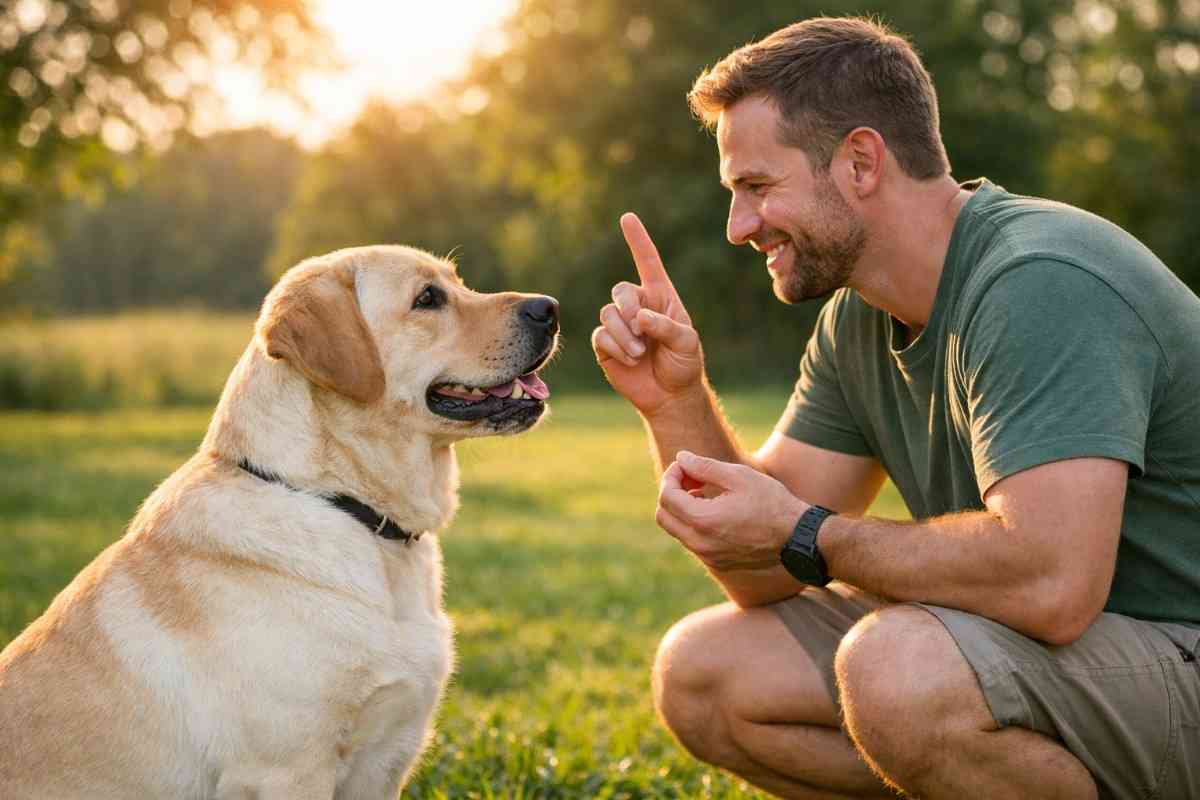
Training is far more than teaching commands—it's a communication system that builds trust, strengthens bonds, and creates harmonious relationships between pets and their families. Modern training approaches prioritize positive reinforcement, clear communication, and mutual respect, creating experiences that are enjoyable for both pet and owner while achieving lasting behavioral results.
The Foundation: Positive Reinforcement
Positive reinforcement training focuses on rewarding desired behaviors rather than punishing unwanted ones. This approach is based on scientific principles of learning and has been proven more effective, humane, and relationship-building than punishment-based methods. When pets perform desired behaviors, they receive rewards—treats, praise, play, or other valued resources—making those behaviors more likely to recur.
This method creates positive associations with training and with you as the trainer. Pets learn to offer behaviors proactively, thinking and problem-solving rather than simply avoiding punishment. The result is a confident, engaged pet who enjoys training and the relationship it builds.
Understanding How Pets Learn
Effective training requires understanding how animals learn. Pets learn through association and consequences. When a behavior is followed by a positive consequence (reward), it becomes more likely. When followed by no consequence or a negative one, it becomes less likely. Timing is crucial—rewards must occur immediately after the desired behavior for effective learning.
Pets also learn through observation and environmental cues. They notice patterns, anticipate routines, and respond to body language and tone of voice. Understanding these learning mechanisms helps you communicate more effectively and set your pet up for success.
Essential Training Principles
Consistency
Consistency is fundamental to successful training. Use the same cues, reward the same behaviors, and maintain consistent expectations. Inconsistency confuses pets and slows learning. All family members should use the same training approach and cues to avoid mixed messages.
Patience and Timing
Training requires patience. Pets learn at different rates, and complex behaviors take time to develop. Celebrate small progress and maintain realistic expectations. Perfect timing—rewarding immediately when the desired behavior occurs—accelerates learning significantly.
Setting Up for Success
Structure training sessions to maximize success. Start in low-distraction environments, use high-value rewards initially, and break complex behaviors into small, achievable steps. Gradually increase difficulty as your pet masters each level. Success builds confidence and motivation.
Basic Training Techniques
Luring
Luring uses a treat or toy to guide your pet into desired positions or behaviors. This technique is excellent for teaching new behaviors because it shows pets exactly what you want. Once the behavior is learned, gradually fade the lure so your pet responds to cues alone.
Capturing
Capturing involves rewarding behaviors your pet offers naturally. When you see a desired behavior—like sitting or lying down—immediately reward it. This technique is powerful because it reinforces behaviors pets already know how to perform.
Shaping
Shaping breaks complex behaviors into small steps, rewarding each approximation toward the final goal. This technique is essential for teaching complex behaviors that can't be easily lured or captured. Each small step builds toward the complete behavior.
Essential Behaviors to Teach
Basic Obedience
Fundamental behaviors like sit, stay, come, and leave it provide safety and manageability. These behaviors should be reliable in various environments and situations. Train them using positive reinforcement, practice regularly, and maintain them throughout your pet's life.
House Training
Proper elimination habits are essential for harmonious cohabitation. House training requires consistency, supervision, and appropriate reinforcement. Understand your pet's species-specific needs and provide appropriate opportunities and locations for elimination.
Leash Skills
Leash walking should be pleasant for both pet and owner. Teach loose-leash walking through positive reinforcement, rewarding your pet for staying near you and maintaining slack in the leash. This skill requires patience and practice but creates enjoyable walks for everyone.
Addressing Behavioral Challenges
Behavioral issues often stem from unmet needs, lack of training, or underlying stress. Address challenges by understanding the root cause, meeting your pet's needs appropriately, and teaching alternative behaviors. Punishment rarely solves problems and often creates new ones, including fear and aggression.
For persistent behavioral issues, consult with certified behavior professionals. Many challenges have underlying causes that require professional assessment and intervention. Early intervention prevents problems from escalating.
Training as Relationship Building
Training sessions are opportunities to strengthen your bond. They provide focused time together, build communication, and create positive shared experiences. Keep sessions short, fun, and positive. End on a successful note, even if it means lowering criteria temporarily.
Training also builds your pet's confidence. As they learn new skills and solve problems, they become more confident and better able to handle various situations. This confidence extends beyond training sessions, improving overall behavior and well-being.
Lifelong Learning
Training isn't a one-time activity but an ongoing process. Continue teaching new skills, practicing existing ones, and adapting to your pet's changing needs throughout their life. Mental stimulation through training is as important as physical exercise for overall well-being.
Consider advanced training, tricks, or activities that engage your pet's mind and body. Many pets enjoy agility, nose work, or other activities that provide both mental and physical challenges.
Conclusion: Training as Partnership
Effective training creates a partnership based on communication, trust, and mutual respect. By using positive, science-based methods, you teach essential behaviors while strengthening your relationship. Training becomes a shared activity that both you and your pet enjoy, creating a foundation for a lifetime of harmonious companionship.
Start with basic behaviors, use positive reinforcement, be patient and consistent, and celebrate progress. Every training session is an opportunity to communicate, bond, and build the relationship you want with your pet. The investment in training pays dividends in safety, manageability, and the deep satisfaction of a well-trained, happy companion.